Conservation Area
Ngorongoro Crater
A volcanic caldera that is a wildlife park in itself
- Crater floor
- About 260 km², roughly 19 km across
- Depth
- About 600 m
- Status
- UNESCO World Heritage Site
- From Arusha
- About 3 to 4 hours to the crater rim
- Best time
- Year-round; June to October is driest
A huge, unbroken volcanic caldera whose floor holds grassland, a soda lake, and forest, and a dense mix of wildlife that stays within the crater walls.
Wildlife and nature
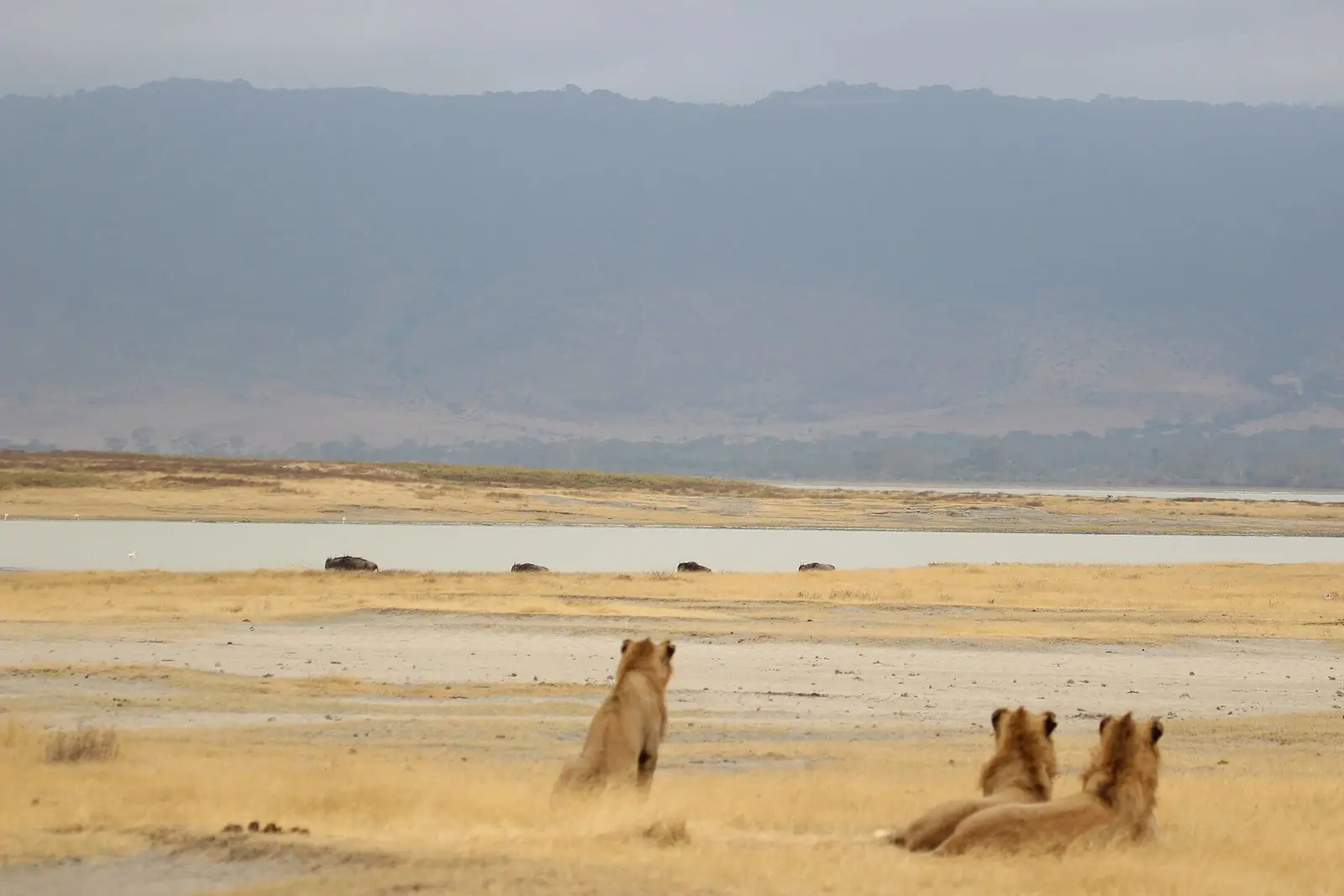
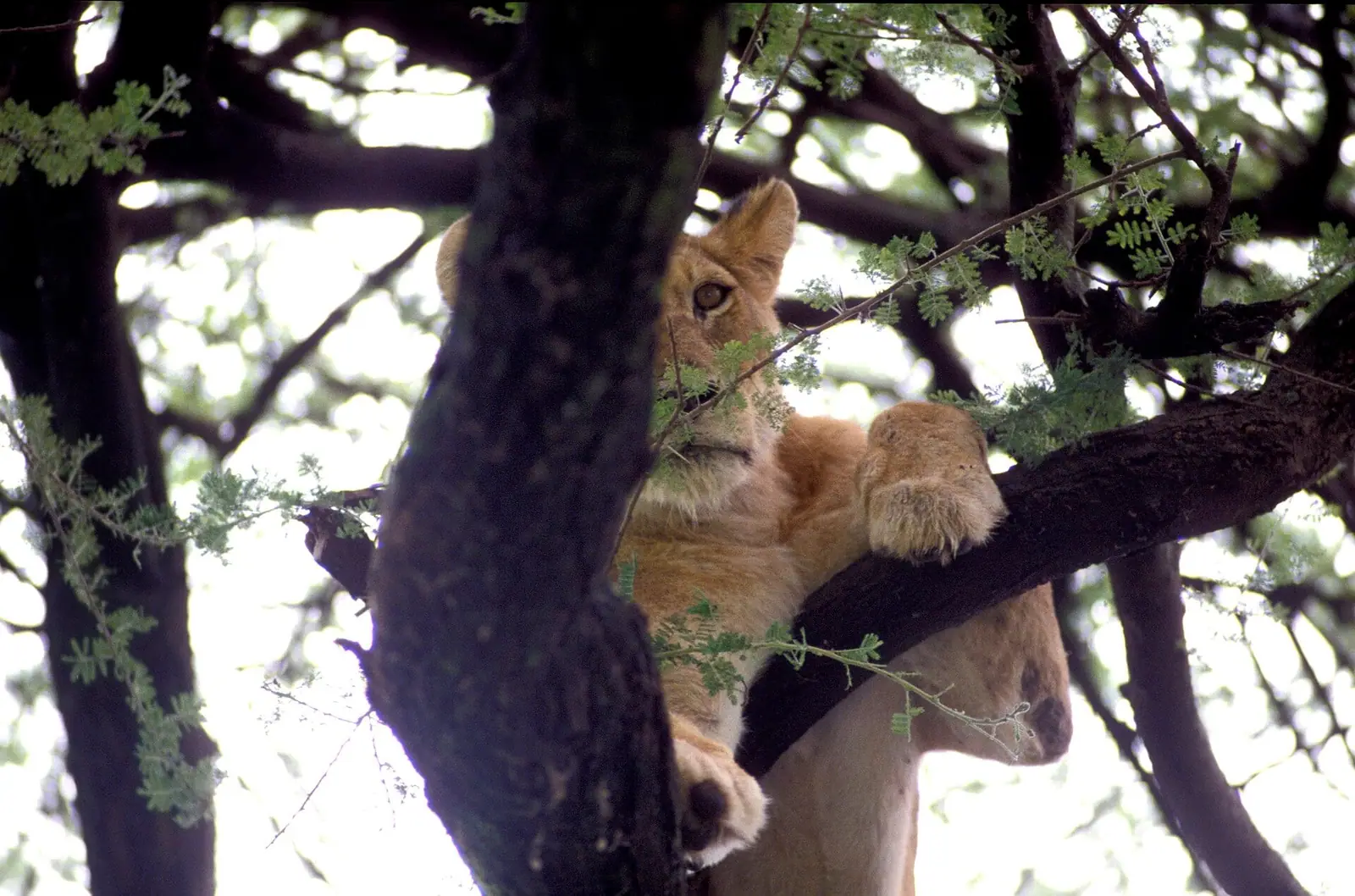
- Lion
- Buffalo
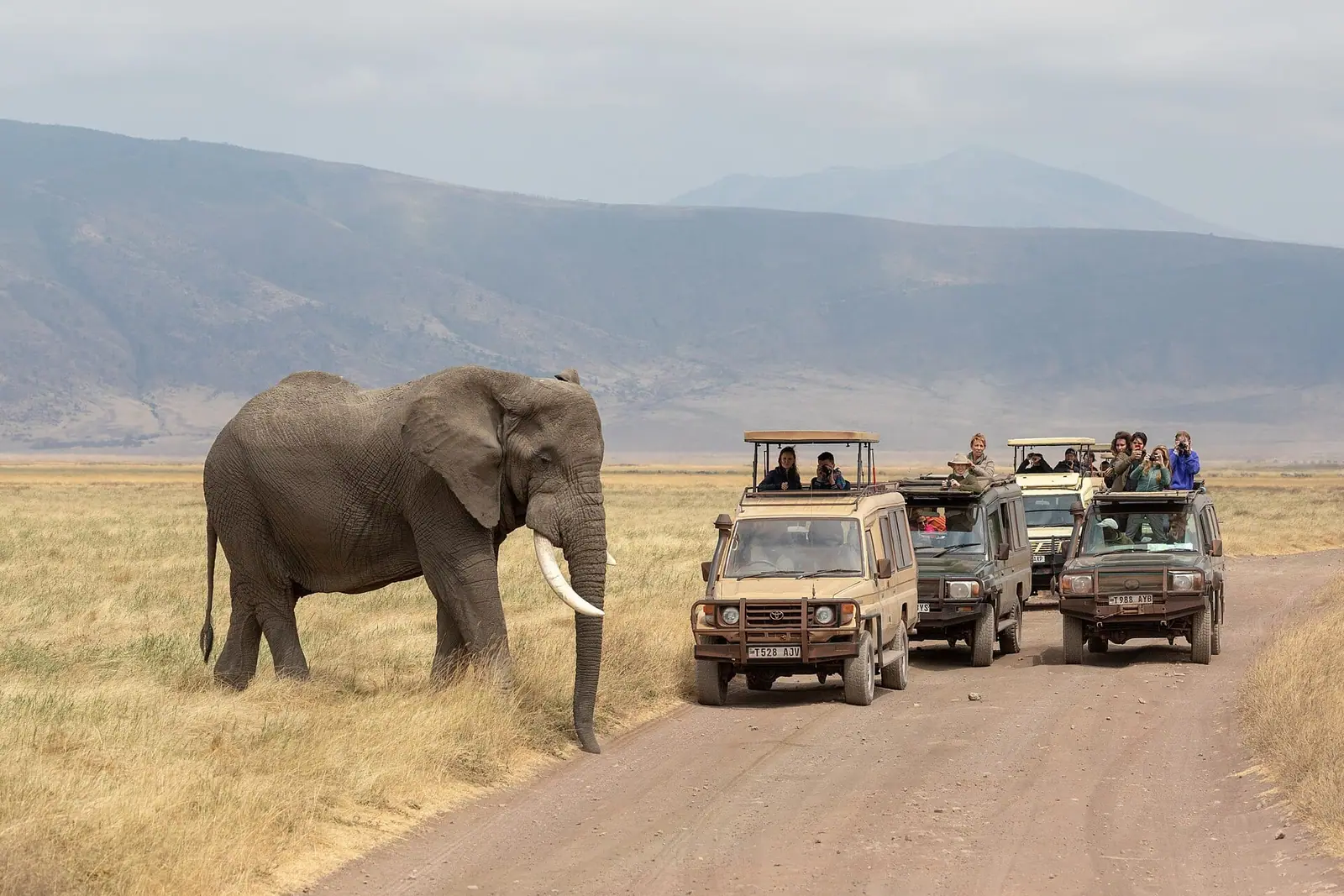
- Elephant
- Hippo
- Hyena
- Zebra
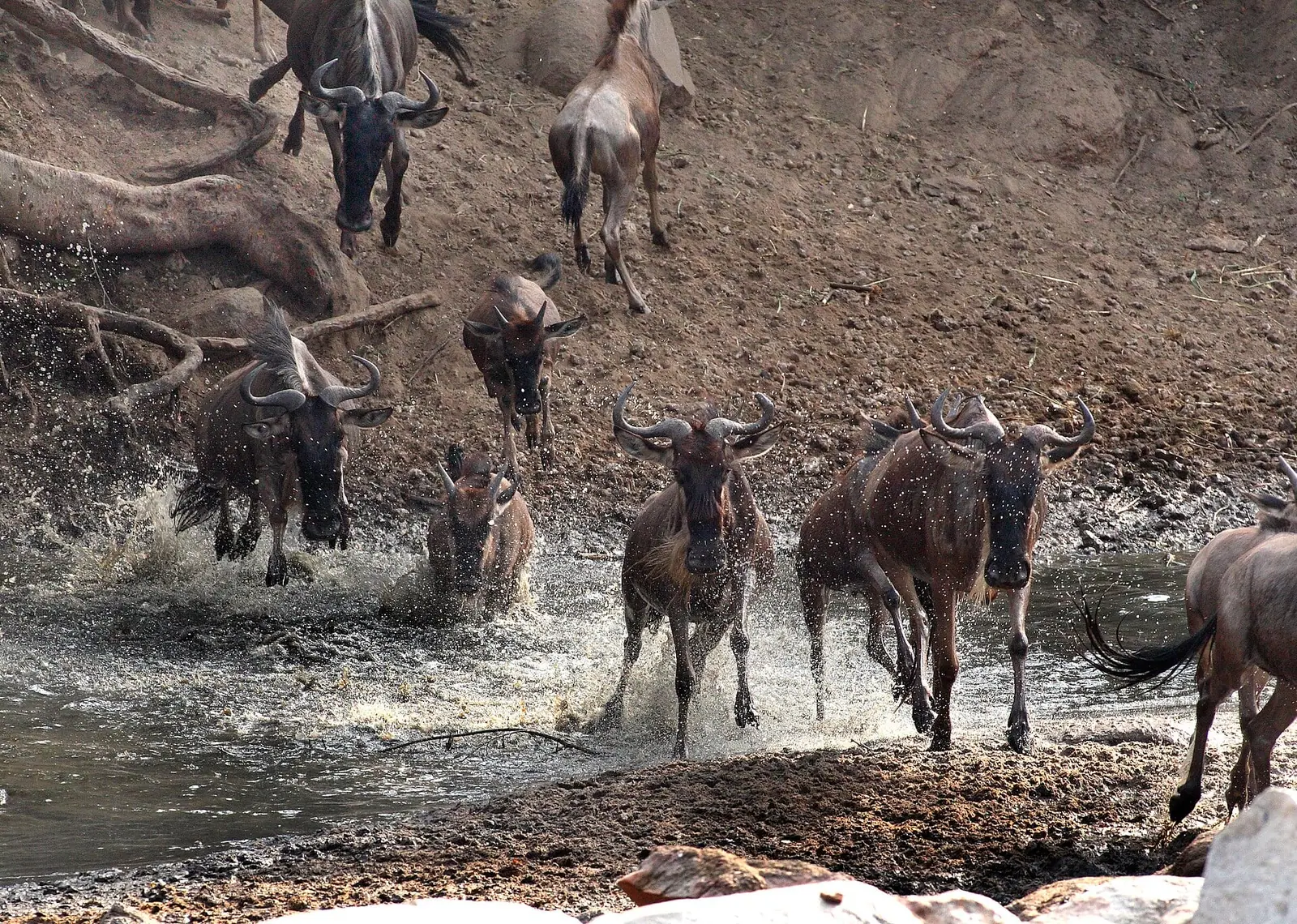
- Wildebeest
- Flamingos (seasonal)
- Black rhino (rare)
- Leopard (elusive)
Sightings depend on season, location, and chance. None are guaranteed.
Highlights
The crater floor
A guided game drive on the floor, usually a half day starting early, taking in grassland, lake shore, and forest patches.
Wildlife in a bowl
The crater walls keep much of the wildlife within a compact area, so game viewing can be rewarding. Rhino and leopard are rare sightings.
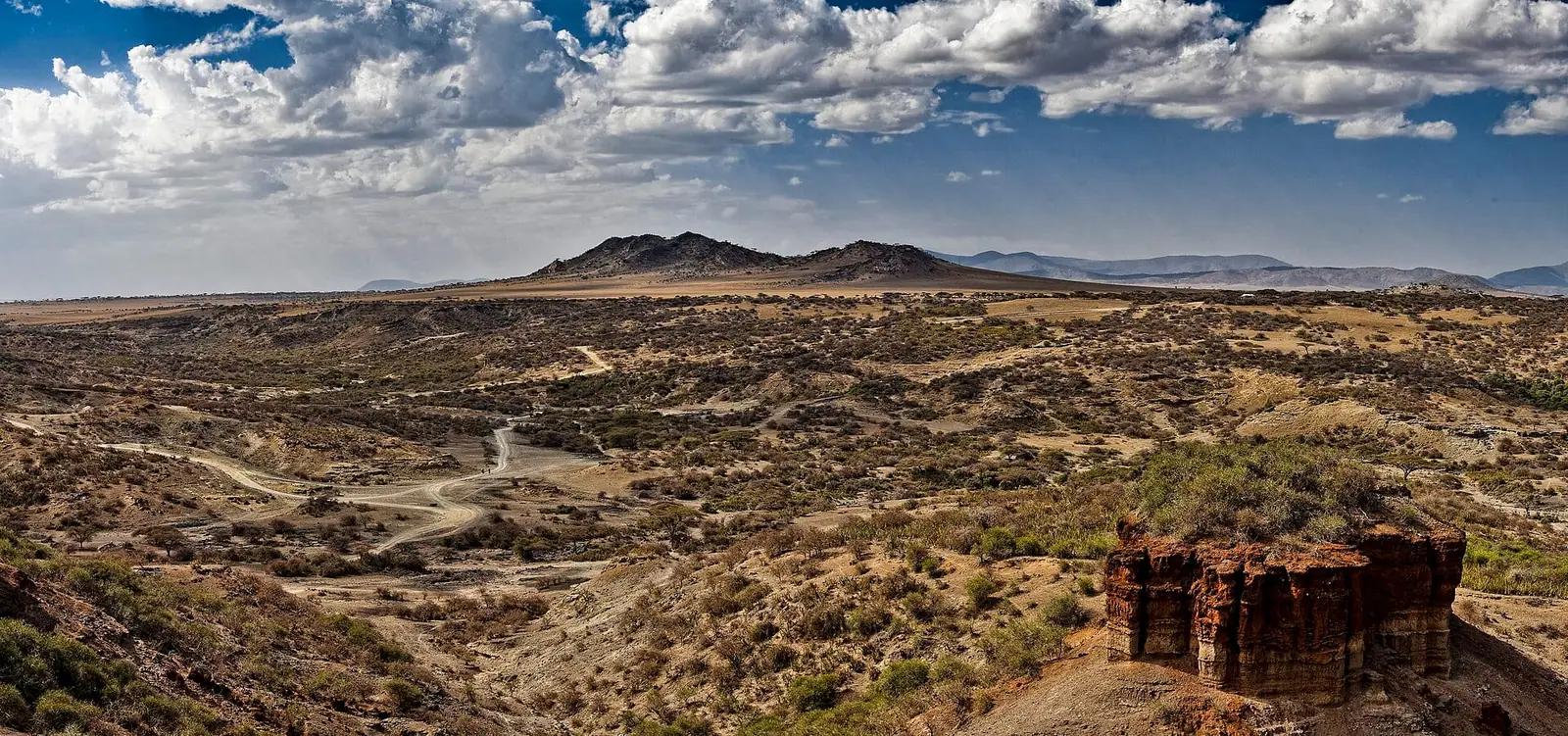
Olduvai Gorge
On the way to the Serengeti, this archaeological site and small museum are tied to the study of early human origins.
People and landscape
The wider conservation area is shared by Maasai pastoralists and wildlife. Cultural visits should be arranged with consent and fair payment.
Things to do
- Crater floor game drive
- Picnic lunch at a designated site
- Olduvai Gorge visit
- Cultural visit, with consent
When to go
- June to October
- Dry season with easier driving and good visibility.
- November to May
- Wetter months. Greener, with changing lake levels and fewer vehicles at times.
Good to know
- Start early: morning light and cooler temperatures are best on the crater floor.
- Bring a warm layer. The rim is high, and early mornings can be cold.
- Crater access and fees are confirmed in your quotation.
More parks to explore
Ready to see Ngorongoro Crater? Tell us your dates and group size and we will prepare a quotation.